From the machine-haunted fields of County Cork to the drought-stricken soil of Buenos Aires, "Our Hunger for Land" assembles thirteen artists in a global meditation on humanity's relationship to the earth we plant, plunder, mourn, and revere.Go to episode
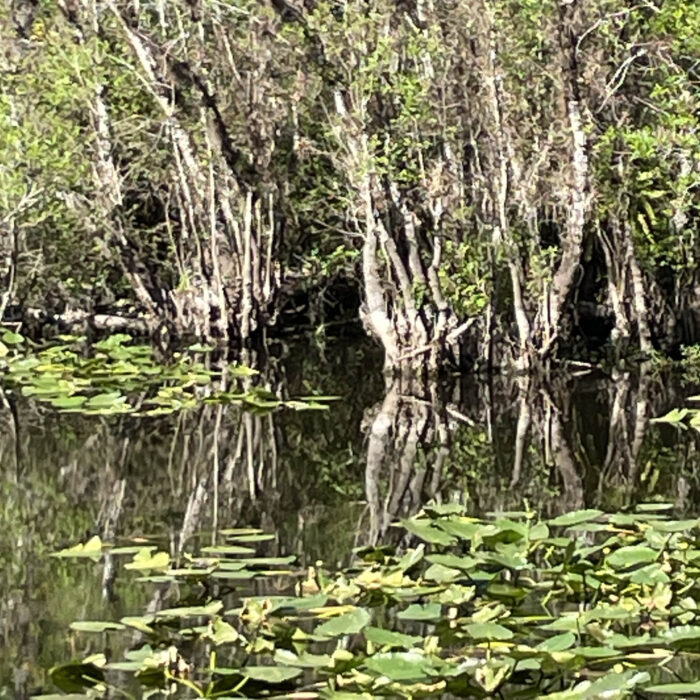
From the peat bogs of Australia to the bayous of Louisiana and the fog-haunted folklore of the Old World, Episode 0122 — "Will o' the Wetlands" — wades deep into the music, mystery, and teeming life of the world's most liminal landscapes.Go to episode
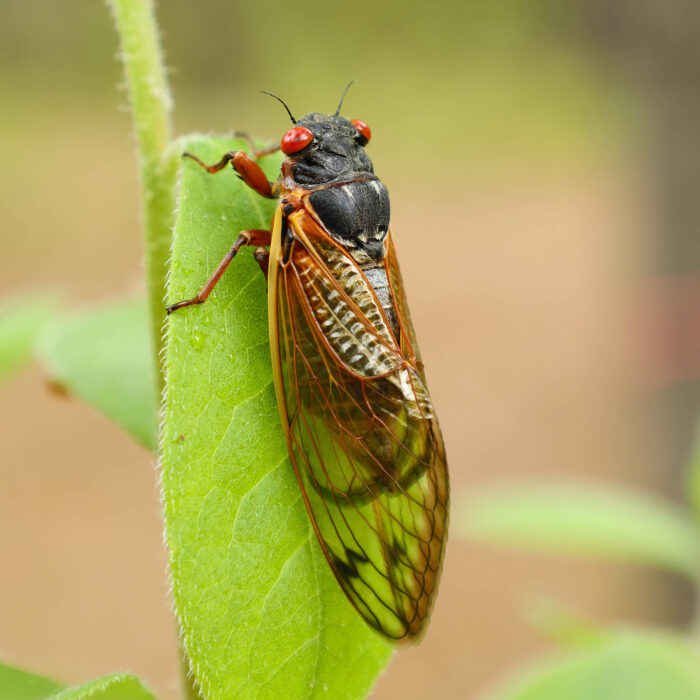
Host Bart Everson presents "Cicada Buzz" — an episode years in the making, sparked by a tip from a loyal listener and opening with a miraculous gift: the brand-new single from Dead Can Dance, whose mythology of the cicada leads straight back to the Muses themselves. Go to episode
From a Colorado poet's daily practice and a Brecht lyric written under fascism, through Barcelona harbor, Caracas, Indigenous Colombia, a Paiwan-language firefly song from Taiwan, and a 2002 German demo about fairies in the forest fog, this episode maps the reciprocal relationship of light and darkness as seen from an Earth-based perspective — and finds, in their interplay, something very close to a theology.Go to episode
Laura Dedelow celebrates the Eastern Screech Owl and our ancient human bond with owls of all sorts through an hour of music ranging from swing jazz and indie rock to field recordings and experimental sound, inspired by the very owl living in her own backyard Magnolia tree.Go to episode
"Songs of the Great Mother" offers an hour of devotional music honoring the Living Earth as divine feminine — spanning Bulgarian wordless vocal, Swedish folk-rock, Norwegian pop, Lithuanian experimental jazz, Japanese ambient, and American choral music, anchored by a personal message from Swedish singer-songwriter Annika Fehling about the island walk that summoned her song into being.Go to episode
Makes the case for instrumental music as ecospiritual expression through an hour of wordless celebrations of Earth — from Goa trance and New Orleans electronics to guitar on a sacred Japanese mountain, a sixteen-second Louisiana ambient flash, and a 1972 jazz reading of Marvin Gaye's ecological elegy. It all stems from an observation two centuries ago that music clothes thought with power language cannot impart.Go to episode
Laura writes, "In the Northern Hemisphere it is time to celebrate the Spring Cross between the Vernal Equinox and Summer Solstice. In other words we honor Beltane, May Day, the May Queen and the Green Man. Winter has pretty much passed where I live in the Northern Hemisphere and we are experiencing the Greening Time. The fires that burned in the hearths all winter have been extinguished and we light new ones with the embers of Beltane bonfires."Go to episode
"Maybe the Birds Taught Us" soars through a global collection of avian-inspired music, from political elegies and indigenous invocations to natural field recordings and Renaissance madrigals. These songs and sounds reveal how birds have shaped human creativity across languages, cultures, and centuries as both teachers and fellow travelers.Go to episode
"Songs of the Standing People" celebrates trees through diverse musical perspectives. We've got choral celebrations, folk narratives, experimental field recordings, and electronic meditations on crown shyness. Go to episode